
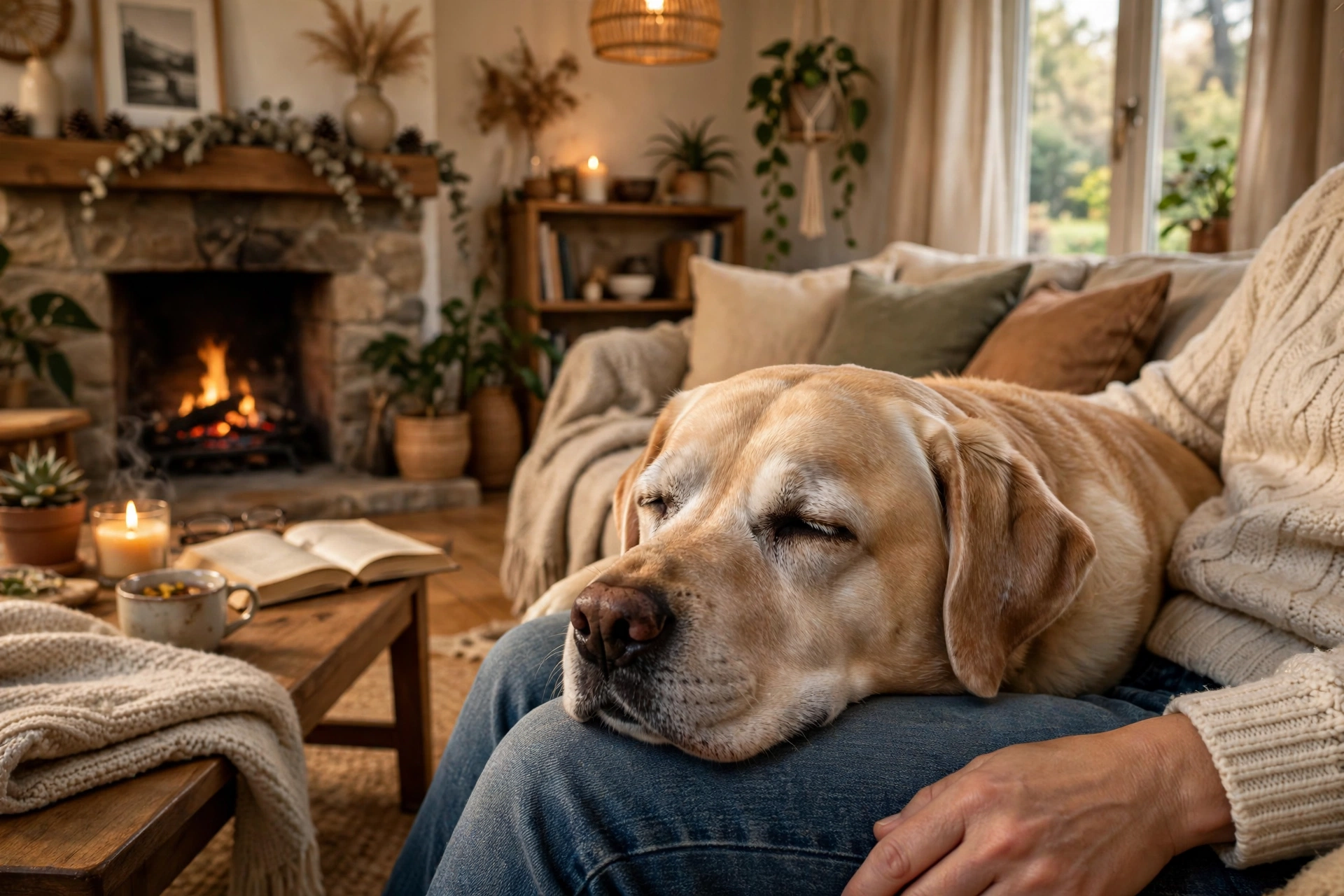
The gray muzzle sneaks up on you. One day your dog is leaping for a frisbee, and the next they are choosing the sunny spot on the rug over a game of fetch. Aging is a natural part of every dog’s life, and the senior years can be some of the sweetest you share together. Older dogs are calmer, deeply bonded, and wonderfully appreciative of comfort. With a few thoughtful adjustments, you can keep your senior dog happy, comfortable, and healthy for as long as possible.
Signs Your Dog Is Entering the Senior Years
Dogs are generally considered seniors around age seven, though larger breeds may reach that stage a little earlier and smaller breeds a little later. The signs are usually gentle at first: a little stiffness when getting up in the morning, shorter bursts of energy, more napping, and less interest in rough play. You might notice cloudy eyes, a graying muzzle, or a dog that startles more easily because their hearing or vision is fading. None of this means your dog is done enjoying life. It just means their needs are changing, and your care can change with them.
10 Tips for Caring for a Senior Dog
1. Schedule twice-yearly vet checkups. Senior dogs benefit from seeing the vet every six months instead of once a year. Regular checkups catch small issues like dental problems, weight changes, or stiffness before they become big ones.
2. Adjust their diet. Older dogs often need fewer calories but more joint-supporting nutrients and easily digestible protein. Ask your vet whether a senior-formula food makes sense, and measure meals instead of free-feeding so weight stays in a healthy range.
3. Keep exercise gentle and regular. Swap long runs for shorter, more frequent walks. A senior dog still needs movement to keep joints flexible and muscles strong, but watch for lagging behind or heavy panting, and let your dog set the pace.
4. Invest in a supportive bed. An orthopedic or memory-foam bed eases pressure on aging joints and helps stiff dogs sleep more deeply. Place it somewhere warm and draft-free, ideally close to where the family gathers.
5. Add ramps and non-slip surfaces. Jumping into the car or climbing stairs gets harder with age. A ramp and some non-slip rugs on slick floors can prevent painful slips and keep your dog confidently mobile around the house.
6. Keep their mind active. Mental exercise matters just as much as physical exercise. Gentle puzzle feeders, sniff walks where your dog sets the route, and simple training games keep an older dog’s brain engaged and spirits high.
7. Watch their weight closely. Extra pounds are especially hard on aging joints. Weigh your dog regularly and adjust food portions as activity levels change. A lean senior dog moves more comfortably than an overweight one.
8. Stay on top of dental care. Dental disease is common in older dogs and can affect the whole body. Keep up with brushing at home and professional cleanings as your vet recommends, and watch for bad breath, drooling, or trouble chewing.
9. Be patient with accidents and confusion. Some senior dogs have occasional house accidents or seem confused in familiar places. Respond with kindness, not frustration. More frequent potty breaks and a consistent daily routine help a great deal.
10. Keep them close. Senior dogs often want more contact, not less. Extra cuddle time, a hand resting on their side during naps, and simply being nearby mean the world to an older dog. Your presence is their favorite comfort.
Making Your Home Senior-Dog Friendly
Small changes around the house make daily life easier for an older dog. Raise food and water bowls to a comfortable height so your dog does not have to strain their neck. Keep essentials on one floor if stairs are becoming difficult. Make sure their bed, water, and a potty spot are all easy to reach, especially at night. Good lighting helps dogs with fading vision navigate confidently after dark. Think of it as senior-proofing, the same way you once puppy-proofed.
When to Talk to Your Vet
Some changes are normal aging, but others deserve a vet visit. Call your vet if you notice sudden weight loss or gain, drinking much more water than usual, persistent limping, coughing, loss of appetite, or a clear change in personality. You know your dog best, and you will notice subtle shifts before anyone else. Never hesitate to ask questions: that is what your vet is there for. Regular, honest conversations with your vet are the single most important part of caring for a senior dog, because early action almost always leads to better outcomes.
Final Thoughts
The senior years ask a little more of us and give back so much more. Slow down with your old friend, notice the small joys, and give them the comfort they have earned after a lifetime of loyalty. If something worries you about your aging dog, talk to your vet sooner rather than later.
This article is for general guidance and is not a substitute for veterinary advice.
Leave a Reply