
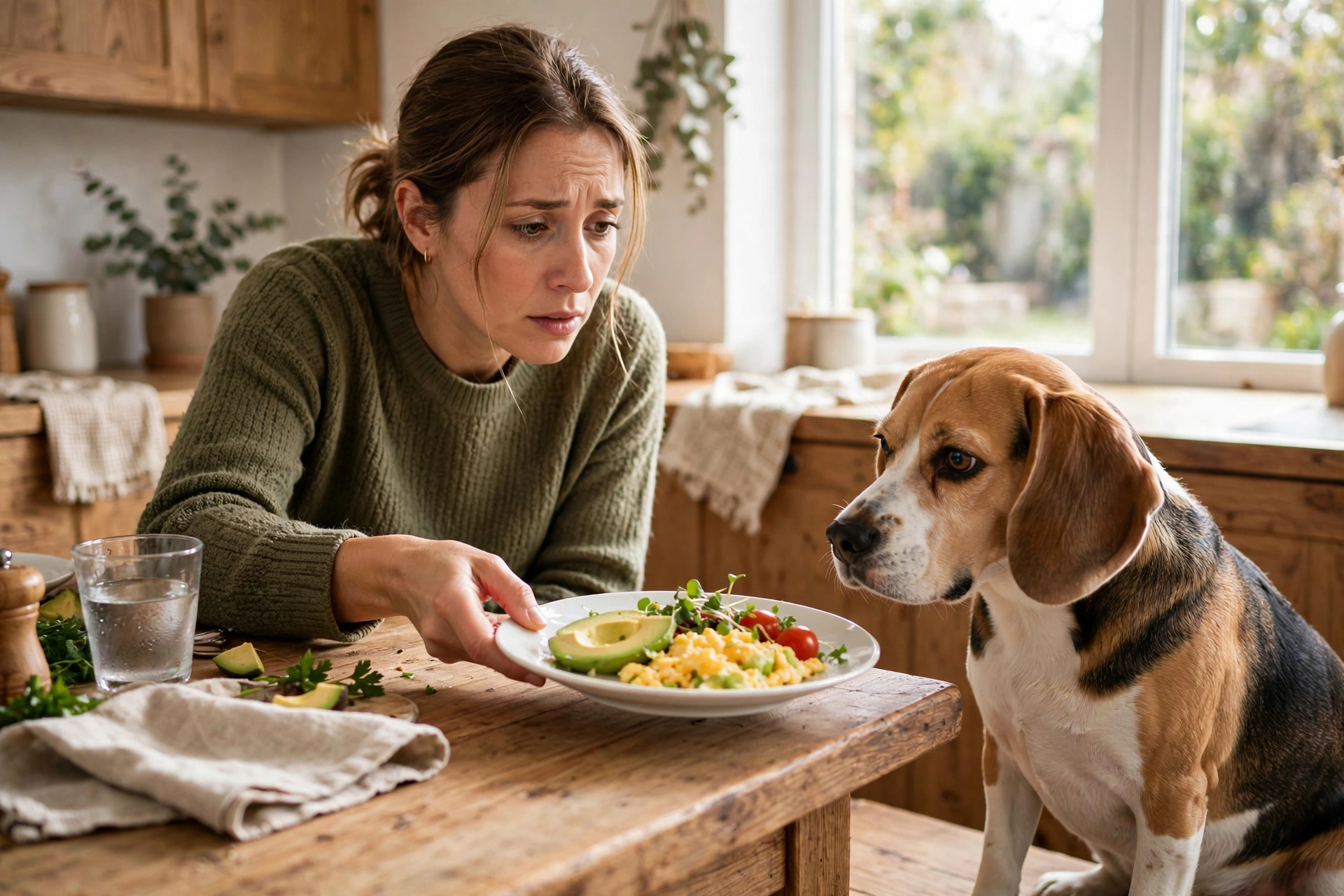
Dogs will eat almost anything — that is part of their charm and part of the danger. Many everyday human foods that are perfectly safe for us can make a dog seriously ill, and a few can be fatal. Every dog owner should know this list by heart, because the moment that matters is the one when your dog snatches something off the counter and you have seconds to decide how worried to be.
This article is for general guidance and is not a substitute for veterinary advice. If your dog eats something suspicious, call your veterinarian or an animal poison control hotline right away — do not wait for symptoms.
The Most Dangerous Foods for Dogs
1. Chocolate
The classic. Chocolate contains theobromine and caffeine, both toxic to dogs. Dark chocolate and baking chocolate are the most dangerous because they are the most concentrated — even a small amount can poison a small dog. Milk chocolate is less potent but still risky in larger amounts. Signs include vomiting, restlessness, rapid heartbeat, and in severe cases, seizures.
2. Grapes and raisins
These are frightening because the toxic dose is unpredictable — some dogs get very sick from just a few grapes, while others seem unaffected. But the risk is kidney failure, which can be fatal, so treat every grape or raisin as an emergency. This includes foods containing them, like trail mix, fruitcake, and some baked goods.
3. Xylitol (birch sugar)
This artificial sweetener hides in sugar-free gum, mints, peanut butter, candy, and even some medications and toothpastes. In dogs, xylitol triggers a massive insulin release that can cause a life-threatening drop in blood sugar within minutes, plus liver damage. Always check labels on anything labeled “sugar-free” before it enters your home.
4. Onions and garlic
All members of the onion family — onions, garlic, shallots, leeks, chives — damage dogs’ red blood cells and can cause anemia. This applies whether they are raw, cooked, or powdered, so watch out for seasoned foods, soups, and baby food. Symptoms like weakness and pale gums may not appear for several days.
5. Macadamia nuts
Even a handful of macadamia nuts can cause weakness, vomiting, tremors, and overheating in dogs. Other nuts are not safe bets either — they are high in fat and can trigger pancreatitis — but macadamias are the known toxin of the bunch.
6. Alcohol
Beer, wine, liquor, and even alcohol-containing foods or raw bread dough (which ferments in the stomach) are dangerous. Dogs are far more sensitive to alcohol than humans; it can cause vomiting, coordination problems, breathing difficulty, and coma. Keep drinks well out of tail-wagging range at gatherings.
More Foods to Keep Away
7. Caffeine
Coffee, tea, energy drinks, and coffee grounds overstimulate a dog’s heart and nervous system. Large amounts can be fatal. Do not leave mugs on low tables around curious dogs.
8. Cooked bones
Raw bones are controversial, but cooked bones are a clear no — cooking makes them brittle, and splinters can tear the mouth, throat, or intestines. This includes poultry, rib, and steak bones from your plate.
9. Fatty and fried foods
Bacon grease, turkey skin, fried chicken, and rich leftovers can trigger pancreatitis — a painful, potentially life-threatening inflammation of the pancreas. Holiday seasons are peak time for these emergencies.
10. Avocado
Avocados contain persin, which can cause vomiting and diarrhea in dogs. The large pit is also a choking and obstruction hazard.
11. Cherries, peaches, and plums (pits)
The flesh of these fruits is not the main problem — the pits are. They contain cyanide compounds and can block the intestines. Keep stone fruits out of reach or remove pits first.
12. Raw yeast dough
Dough rises in the warm stomach, causing painful bloating, and the fermentation produces alcohol. Both effects can be dangerous. Keep rising dough far from counter-surfing dogs.
13. Salt in large amounts
A pinch of salt in dog food is fine, but large quantities — from play dough, rock salt, or salty snacks eaten in bulk — can cause sodium poisoning with tremors and seizures.
14. Nutmeg
This common holiday spice contains myristicin, which is toxic to dogs in more than tiny amounts. Keep eggnog and spiced baked goods away from your dog.
15. Corn on the cob
Corn itself is not toxic, but the cob is one of the most common causes of intestinal blockage in dogs — and blockages often require emergency surgery. Dogs love to chew them; never leave one accessible.
What to Do in an Emergency
If your dog eats something from this list, act fast: note what was eaten and how much, check the time, and call your veterinarian or a pet poison helpline immediately. Do not induce vomiting unless a professional tells you to — for some substances, vomiting makes things worse. Keep the packaging of whatever was eaten so you can read the ingredients to the vet.
Prevention is simpler than treatment. Store food securely, train a solid “leave it” cue, warn guests (especially children) not to feed the dog from the table, and do a quick label check on any new sugar-free products entering your home. A little awareness keeps your dog safe from the most common — and most preventable — poisoning emergencies.
When in doubt, talk to your vet. They would much rather answer a cautious phone call than treat a crisis.